Collective Pathway to Open Publishing
The Collective Pathway to Open Publishing (CPOP) is a model developed by Taylor & Francis to support journals that want to move towards open access but do not yet have a viable route to full open access.
Many journals publish a combination of subscription and open access articles through transformative agreements. However, a full transition to open access can remain difficult where funding models, subject areas, or publication profiles do not easily support open access publishing based on article publishing charges (APCs).
Launched in 2025 in collaboration with international library consortia including BIBSAM, Sikt, FinELib, and the Royal Danish Library, CPOP provides a collective funding approach that supports a sustainable pathway to open access for these journals.
Why a collective pathway to open publishing is needed
In many disciplines, particularly across the humanities and social sciences, funding for article publishing charges (APCs) remains limited or unevenly distributed. As a result, journals may publish both subscription and open access content without a clear pathway to full open access conversion.
Other factors can also affect the feasibility of a permanent transition, including:
Reliance on subscription revenue to maintain journal sustainability
The publication of specialist or professional content types that may not be supported by APC funding
The need to ensure equitable publishing opportunities for authors regardless of funding availability
These challenges highlight the need for publishing models that allow journals to progress towards open access while maintaining financial sustainability and inclusive opportunities.
What makes this model different
The Collective Pathway to Open Publishing introduces a collective funding approach that allows journals to publish entire volumes open access when sufficient support is in place.
Rather than permanently converting a journal to full open access, the model enables journals to transition volume by volume, depending on whether sustainability thresholds are met.
Under this approach:
Authors publish open access with no APCs
All accepted articles within participating volumes are free to read globally
Open access publishing is not dependent on individual author funding
Journal sustainability is supported through a combination of agreement and subscription revenue
This model is particularly relevant for journals that are already publishing a proportion of open access articles through Read & Publish agreements, but where a full open access transition is not currently feasible.
How the CPOP model works
Open access publishing under CPOP is supported through a combination of funding sources.
These include:
Read & Publish and other transformative agreements, which support open access publishing for affiliated authors
Subscription and reading revenue, which continues to support journals and authors not covered by open access agreements
Each year, participating journals are assessed to determine whether combined agreement and subscription funding meets defined sustainability thresholds.
If the threshold is met:
The current journal volume is published fully open access
All accepted articles in that volume are published open access
Authors do not pay APCs
If the threshold is not met, the journal continues to publish under its existing hybrid subscription model.
This structure allows journals to publish open access volumes when sufficient support is in place, while continuing to operate under their existing model when it is not.
Current CPOP journals
The following journals are currently publishing as open access on the CPOP model and will next be evaluated in 2027.
Australian Archaeology
Contemporary British History
Critical Studies in Education
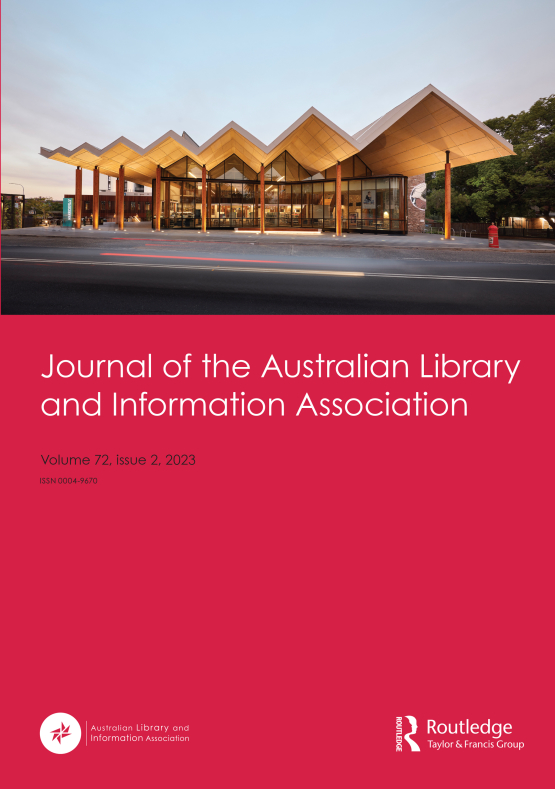
Journal of the Australian Library and Information Association
King’s Law Journal
Nordic Psychology
Nordic Social Work Research
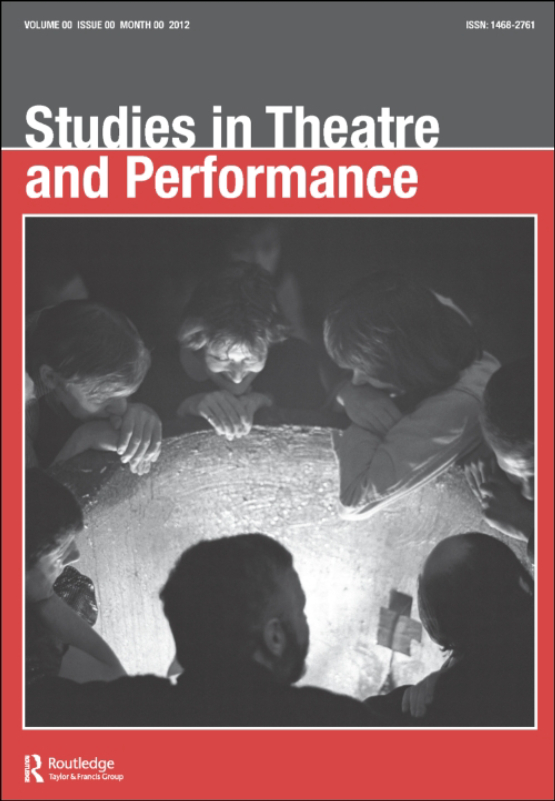
Studies in Theatre & Performance
This expansion builds on Taylor & Francis’ ongoing collaboration with international library consortia and renewed partnerships with organisations including Jisc and the Council of Australian University Librarians (CAUL).
Part of a broader range of open access models
The Collective Pathway sits alongside other Taylor & Francis open access models, including Subscribe to Open, Pledge to Open, and VeriXiv, offering libraries multiple routes to support open research.
Find out more
For more information about the Collective Pathway to Open Publishing, contact your Taylor & Francis representative or email [email protected]