Open research practices

Taylor & Francis is a global leader in advancing open research practices, fostering transparency, collaboration, and accessibility across all disciplines.
Open research practices represent a modern approach to scholarly communication, promoting equitable participation, reproducibility, and trust in research across all fields.
What are open research practices?
Open research practices encompass a range of initiatives designed to make research more accessible, transparent, and impactful. Going beyond open access publishing, these practices support the discovery of research methods, activities and outputs that are not surfaced through the traditional publishing workflow, including transparent peer review, data sharing, preprinting, and innovative article types.
We collaborate with global stakeholders to support the advancement of open research practices, including:
Research Data Alliance
The Research Data Alliance builds the social and technical bridges that enable open sharing and re-use of data.
UK Reproducibility Network (UKRN)

A national peer-led consortium that aims to ensure the UK retains its place as a centre for world-leading research.
FAIRsharing
A curated, informative and educational resource on data and metadata standards, inter-related to databases and data policies.
Open Science Monitoring Initiative
Identifying new ways for scholarly content providers to monitor open science activities.
CHORUS

Bringing together funders, societies, publishers, institutions, and the public from across the open research ecosystem to share knowledge, develop solutions, advance innovation, and support collective efforts.
ASAPBio

A non-profit organization seeking to make the life sciences more open through initiatives such as preprints, open peer review, and research assessment reform.
Hidden REF

Through our F1000 brand we support the Hidden REF campaign and competitions, which recognises the great variety of roles and activities that support research and researchers and works towards a more equitable and effective research culture.
Thought leadership and publications
Taylor & Francis regularly contributes to white papers, reports, and academic articles to advance open research practices globally. Significant publications include:
“Journal Production Guidance for Software and Data Citations”
Scientific Data
“Developing a Research Data Policy Framework for All Journals and Publishers”
Data Science Journal
“Understanding and supporting data sharing in the humanities: new insights from a publisher survey”
The State of Open Data

The European Journal of Higher Education recently reported on a two-year experiment with transparent peer review, demonstrating that visibility in the review process leads to more constructive feedback and improved papers. As libraries increasingly support open research initiatives, understanding this shift toward transparency can help librarians guide researchers effectively.
Read the ‘Implementation and impact of transparent peer review (TPR)’ case study
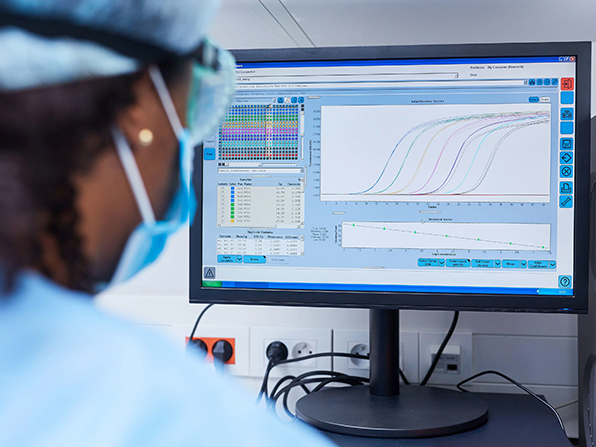
In collaboration with the AI solution provider DataSeer, we have analysed Open Research practices across a corpus of over 8,000 of our published articles to identify author uptake and engagement. We found positive trends in data and code sharing, preprinting and more.

We have also partnered with DataSeer to pilot and configure SnapShot, an AI tool designed to quickly assess whether submitted manuscripts meet Taylor & Francis’ data sharing requirements and editorial policies. SnapShot goes beyond generic checks, aligning with our specific policies to evaluate evidence of data sharing, assess the author’s approach, and identify areas for improvement.
Read the ‘Spotlight on: Taylor & Francis Group – DataSeer SnapShot’ blog article
F1000 works in partnership with the Wellcome Sanger Institute on the Tree of Life project, which aims to sequence and publish the genomes of all complex life in and around the British Isles. The project publishes a Genome Note for each organism to promote the discovery and reuse of the genome sequence datasets, which are then peer reviewed and indexed in major bibliographic databases. We are working together to automate the publication of the Genome Notes to increase efficiency and scale, whilst using AI to support part of the peer review process.

F1000 is an innovative open research publisher and services provider, which joined Taylor & Francis in 2020. We enable researchers, funders, research institutions, societies, and associations to accelerate the reach of knowledge, as research is most beneficial when it is quickly converted into solutions. Our open research publishing model prioritizes transparency, reproducibility, and editorial rigor. We publish our original, multidisciplinary platform, F1000Research, as well as on behalf of numerous partners, including Wellcome and the Gates Foundation.

PeerJ joined Taylor & Francis in 2024, bringing a reputation for transparent peer review and rigorous data sharing in biology, medicine, biomedical science, environmental science, chemistry, and computer science. Over 2025, they worked to consolidate operations, bringing chemistry subjects from separate journals into the flagship journal (also PeerJ), and adding a range of engineering subjects, it is well on the way to becoming a full STM journal alongside its sister title, PeerJ Computer Science.
Contact us
For more information or to discuss open research practices with a Taylor & Francis team member, email us at [email protected].